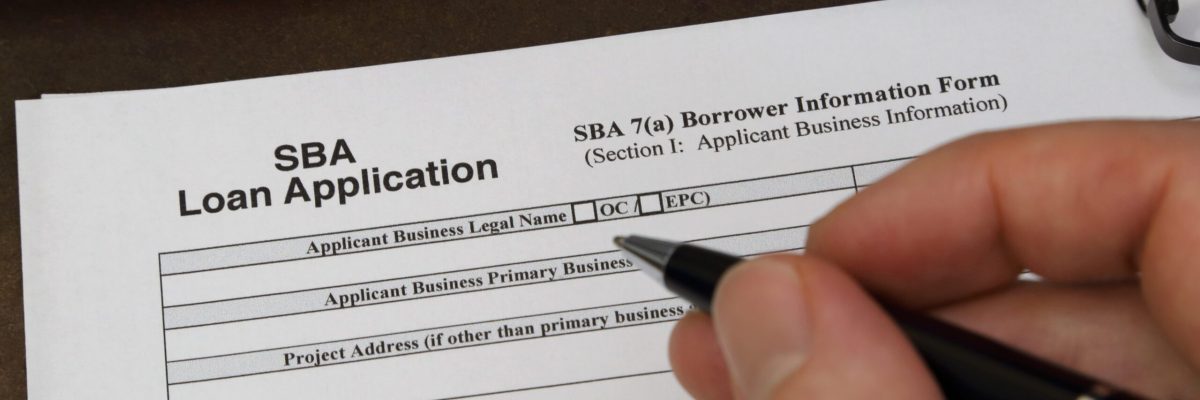
SBA 7(a) Loans: The Complete Guide
for Business Owners
How to Use the SBA’s Most Popular Loan Program to Fund Your Business
Updated February 18, 2026
If you are running a small business or planning to launch one, access to capital is often the single biggest obstacle standing between where you are today and where you want to be. Hiring staff, purchasing equipment, acquiring real estate, expanding into new markets, or simply weathering a slow season all require money that many business owners simply do not have sitting in a bank account. That is where the Small Business Administration (SBA) 7(a) loan program can be a genuine game-changer.
The SBA 7(a) loan program is the federal government’s primary vehicle for helping small businesses access affordable financing. Since its creation under the Small Business Act, it has helped millions of entrepreneurs obtain loans they could not have secured through conventional channels alone. The program works by having the SBA guarantee a portion of each loan made by an approved private lender, dramatically reducing the lender’s risk and making it feasible for banks and credit unions to extend credit to businesses that would otherwise fall short of traditional underwriting standards.
For Oklahoma entrepreneurs, the 7(a) program represents a powerful tool that aligns well with the state’s business culture. Oklahoma consistently ranks among the most entrepreneurial states in the nation, with a diverse economy spanning energy, agriculture, manufacturing, technology, and professional services. Whether you are buying out a partner in an Edmond-based professional services firm, purchasing equipment for an oil field services company in Woodward, or acquiring commercial real estate for a Tulsa retail operation, there is likely a 7(a) loan structure designed to fit your specific situation.
This guide will walk you through everything you need to know: how the program works, the different loan types available, how to qualify, what rates and fees to expect, and how to put yourself in the best possible position to get approved.
Table of Contents
- How the SBA 7(a) Program Works
- Types of SBA 7(a) Loans
- Key Benefits of 7(a) Loans
- Eligibility Requirements
- General Loan Terms and Structure
- Interest Rates and Fees
- Collateral and Guaranty Requirements
- Approved Uses of Loan Proceeds
- The Application Process
- Oklahoma-Specific Considerations
- Tips for Getting Approved
- Comparing 7(a) Loans to Other Options
- Frequently Asked Questions
How the SBA 7(a) Program Works
Understanding the mechanics of the 7(a) program is essential before you walk into any lender’s office. The SBA does not lend money directly to businesses. Instead, it acts as a guarantor, backing a portion of loans made by approved private lenders. That guarantee is what unlocks financing for borrowers who might not otherwise qualify for conventional business loans.
Here is how the flow works in practice. A business owner applies to an SBA-approved lender, which might be a commercial bank, a credit union, or a specialized non-bank lender. The lender evaluates the application using both its own underwriting standards and SBA eligibility criteria. If approved, the SBA guarantees a percentage of the loan amount, typically between 75% and 85% depending on the loan size. If the borrower defaults, the SBA steps in to cover the guaranteed portion of any losses the lender incurs.
This arrangement creates a win for everyone involved. Lenders gain the confidence to approve borrowers they would otherwise pass on. Borrowers gain access to longer repayment terms, lower down payment requirements, and competitive interest rates. And the broader economy benefits from more small business activity and job creation.
💡 Why the SBA Guarantee Matters
A conventional bank typically will not lend to a startup with limited collateral, or to a small business without several years of strong financial history. The SBA guarantee changes that calculus entirely. By absorbing a significant share of the lender’s downside risk, the program opens doors that would otherwise be closed to thousands of worthy businesses every year.Most 7(a) loans require both an eligibility determination and a credit approval by the SBA itself. However, the agency has designated certain high-performing lenders as Preferred Lenders (PLP), who are authorized to make eligibility determinations and approve loans without waiting for SBA review on a case-by-case basis. Borrowing from a Preferred Lender can significantly speed up the process, sometimes reducing approval timelines from weeks to just a few days.
Types of SBA 7(a) Loans
One of the program’s greatest strengths is its flexibility. Rather than a one-size-fits-all product, the 7(a) umbrella covers a range of loan structures designed to address different business financing needs. Choosing the right type depends primarily on how much you need to borrow and what you intend to use the money for.
7(a) Standard Loans
Standard loans are the most common 7(a) product. They cover loan amounts greater than $350,000 up to a maximum of $5 million. Standard loans go through full SBA review unless processed by a Preferred Lender. They are suitable for a wide range of purposes, including purchasing real estate, acquiring a business, buying equipment, refinancing existing debt, or funding working capital needs.
7(a) Small Loans
For borrowers who need $350,000 or less, the Small Loan category offers a streamlined process with somewhat different underwriting and collateral requirements. These loans are particularly useful for early-stage businesses or smaller acquisition transactions. The SBA has specific collateral and documentation guidelines that differ slightly from the standard product, making this a more accessible entry point for newer businesses.
7(a) Express Loans
The SBA Express Loan is designed for speed. Offering up to $500,000, Express Loans carry an accelerated SBA turnaround review time. Approved lenders can make their own credit decisions without waiting for the SBA, which means decisions can come back in as little as 36 hours in some cases. The tradeoff is that the SBA guaranty percentage for Express Loans is lower than for standard products, at 50% instead of the typical 75 to 85 percent. For well-qualified borrowers who prioritize speed, Express Loans can be an excellent option.
7(a) CAPLines
CAPLines address a specific pain point that many growing businesses face: managing short-term, revolving working capital needs. Rather than a fixed-term loan, CAPLines function more like lines of credit, allowing businesses to draw and repay funds as needed. There are four distinct CAPLine products:
- Working Capital CAPLines finance cyclical, recurring, or short-term operating capital needs
- Seasonal CAPLines address seasonal increases in accounts receivable and inventory
- Contract CAPLines cover the direct labor and material costs of performing assignable contracts
- Builders CAPLines finance the construction or renovation costs incurred by general contractors building or renovating commercial or residential property for resale
Export Loan Products
For Oklahoma businesses with international growth ambitions, the SBA offers several export-focused products. The Export Express Loan provides revolving lines of credit or term loans up to $500,000 with streamlined processing, specifically designed to help businesses develop the export side of their operations. The Export Working Capital Loan provides short-term working capital up to $5 million for businesses that generate export sales and need additional capital to support those sales. The International Trade Loan goes up to $5 million and is designed for companies that are expanding because of growing export sales, or that have been adversely affected by imports and need to modernize to compete.
7(a) Working Capital Pilot (WCP) Lines
A newer addition to the 7(a) family, the Working Capital Pilot program offers credit facilities up to $5 million through asset-based or transaction-based lines of credit. This pilot program runs through July 2027 and is designed to give businesses more flexible access to working capital tied to the value of their business assets, such as accounts receivable and inventory.
✅ Which Loan Type Is Right for You?
The right 7(a) product depends on three key factors: how much you need, what you are using it for, and how quickly you need a decision. Real estate and business acquisitions typically call for Standard Loans. Equipment and working capital can fit into Standard, Small, or Express depending on size. Seasonal businesses or those managing contracts are natural fits for CAPLines. Exporters should explore the dedicated export products, which carry higher SBA guarantee amounts.Key Benefits of SBA 7(a) Loans
The 7(a) program has endured for decades because it genuinely delivers advantages that conventional business financing cannot match. For Oklahoma entrepreneurs weighing their options, these benefits deserve serious consideration.
Longer repayment terms. Conventional business loans often top out at five to seven years. SBA 7(a) loans can extend to ten years for most purposes, fifteen years for certain equipment, and up to twenty-five years for real estate. Longer terms mean lower monthly payments, which preserves cash flow during the critical growth phases of a business.
Lower down payments. Traditional commercial lenders often require 20 to 30 percent equity contributions for business acquisitions or commercial real estate. SBA loans frequently require less, making it possible to preserve more of your capital for operations and growth after closing.
Competitive interest rates. Because the SBA caps the maximum interest rate lenders can charge, 7(a) loans are consistently competitive with or better than conventional business loan rates. This is particularly meaningful for larger loans where even a fraction of a percentage point translates into tens of thousands of dollars over the life of the loan.
Flexible use of proceeds. Unlike some government-backed programs that restrict funding to specific purposes, 7(a) loans can be used for an unusually wide range of business needs, from real estate to equipment to working capital to debt refinancing.
Sometimes no collateral required. For loans of $50,000 or less, no collateral is required. For larger loans, lenders follow their standard commercial collateral policies, but the SBA guarantee can reduce or eliminate collateral requirements in cases where sufficient assets are not available.
⚠️ Understanding the Trade-Offs
SBA loans are not free money, and they come with meaningful trade-offs. The application process is more documentation-intensive than a conventional loan. Personal guarantees are almost always required. Prepayment penalties may apply to certain loans with maturities of fifteen years or more. And SBA loans carry origination fees that can add up on larger transactions. Knowing these realities upfront helps you make a fully informed decision.Eligibility Requirements
The SBA has established eligibility standards that apply across the 7(a) program. Meeting these standards is a prerequisite to even reaching the lender’s credit evaluation, so understanding them before you apply will save you significant time and frustration.
Business Size Standards
To qualify as a small business eligible for SBA programs, your company must meet the SBA’s size standards, which vary by industry and are generally expressed either as a maximum number of employees or a maximum amount of average annual receipts. For most industries, the size limits are generous enough to include the vast majority of privately held companies. However, some industries with high revenue levels, such as grocery wholesalers or engineering firms, need to verify their size eligibility carefully.
For-Profit Business Operating in the U.S.
The business must be for-profit, physically located in and operating within the United States or its territories, and must have an owner who has invested equity in the business. The SBA will not guarantee loans to non-profit entities.
Creditworthiness
The SBA requires that borrowers demonstrate they are unable to obtain the requested financing on reasonable terms from non-federal sources, including conventional bank financing. This does not mean you must have been formally rejected by a bank, but it does mean that the terms available through conventional channels must be unreasonable compared to what the SBA program offers. Lenders will evaluate your personal and business credit history, revenue trends, debt service coverage, and overall financial health. The SBA recommends that borrowers have at least a 650 credit score, though some lenders will go lower depending on the overall strength of the application.
Business Purpose Requirements
The SBA prohibits loans to certain types of businesses regardless of creditworthiness. Ineligible businesses include passive investment companies, lenders, life insurance companies, pyramid sales organizations, businesses primarily engaged in political or lobbying activities, and businesses with an owner currently on probation, parole, or under indictment for a felony. Additionally, businesses that primarily derive income from illegal activities or that restrict patronage based on protected characteristics are ineligible.
Owner’s Prior Criminal History
If any owner of 20% or more of the business has been convicted of a felony within the past five years, or currently faces criminal charges, the business is generally ineligible for SBA financing. Certain misdemeanor convictions may also affect eligibility depending on their nature and timing.
📋 Pre-Application Eligibility Checklist
Before approaching a lender, confirm the following: your business operates for profit in the U.S.; you meet your industry’s SBA size standard; you (and all owners with 20%+ stakes) can pass a basic background check; your business purpose is not on the ineligible list; and you have invested your own equity in the business. Checking these boxes in advance avoids wasted time on both sides of the application process.General Loan Terms and Structure
Maximum Loan Amounts
The maximum loan size under the 7(a) program is $5 million. This applies to all standard and most specialty products. Small Loans and Express Loans have lower maximums of $350,000 and $500,000, respectively. When a business has affiliates, the maximum loan size applies to the borrower and all affiliates combined, as though they were a single entity.
Maximum Loan Terms
Repayment terms depend on what the loan proceeds are being used for:
- Working capital and general business purposes: Up to 10 years
- Equipment and machinery: Up to 10 years, or up to 15 years if the asset’s useful life supports that term
- Leasehold improvements: Up to 10 years, plus up to 12 additional months for construction
- Real estate: Up to 25 years, plus additional time for construction or renovation
- Mixed-purpose loans: Blended term based on the proportion allocated to each purpose, or up to 25 years if at least 51% is for real estate
An important nuance for leased space: the SBA requires that the loan term must not exceed the remaining lease term including renewal options the borrower has the right to exercise. If your lease has three years remaining with no renewal option, a lender cannot give you a seven-year SBA loan secured by that business location.
Repayment Structure
Most 7(a) loans are fully amortizing, meaning every payment includes both principal and interest, and the loan is paid off completely by its maturity date. The SBA does not permit balloon payments on standard term loans. However, Standard Loans, Small Loans, and Express Term Loans may be structured with an initial period of interest-only payments to ease the burden during the early stages of a new venture or acquisition.
If the loan carries a fixed interest rate, payments remain constant throughout the term. Variable rate loans, which are more common in the 7(a) program, are typically re-amortized each time the base rate changes to ensure the loan is still on track to be fully repaid by maturity.
Interest Rates and Fees
How Interest Rates Are Set
Lenders and borrowers negotiate the interest rate on a 7(a) loan subject to maximum rates set by the SBA. Rates may be fixed or variable. Variable rates are most commonly tied to the Wall Street Journal Prime Rate, with a spread added by the lender. The SBA’s maximum allowable spread above prime depends on the loan size and maturity: shorter, smaller loans typically carry higher allowable spreads, while larger, longer-term loans have lower spread limits.
As a general benchmark, most borrowers with solid credit profiles and strong financials can expect to pay somewhere in the range of prime plus 1.5% to prime plus 2.75% on a standard 7(a) loan, though actual rates vary based on the lender, loan type, and the specific risk profile of the transaction.
SBA Guarantee Fees
In addition to the interest rate, 7(a) borrowers pay a guarantee fee to the SBA. This fee is calculated as a percentage of the guaranteed portion of the loan and varies based on the loan’s maturity and the total amount guaranteed. For loans with maturities greater than twelve months, fees generally range from approximately 0.5% to 3.5% of the guaranteed amount. The SBA periodically adjusts its fee schedule, and in some years has waived or reduced fees for smaller loans as a policy tool to encourage small business lending.
Lenders may also charge origination fees, servicing fees, and other charges, subject to SBA guidelines on what is permissible. Understanding the full cost picture, not just the interest rate, is essential when comparing SBA loan offers from different lenders.
🔢 Total Cost of Borrowing: A Quick Example
On a $1 million SBA 7(a) Standard Loan at a variable rate of Prime plus 2.25% (assuming a Prime Rate of 7.50%), your initial interest rate would be 9.75%. Over a 10-year term, your monthly payment would be approximately $13,000. Add in an SBA guarantee fee of roughly $27,000 to $35,000 (paid upfront or financed into the loan), and you have a clearer picture of your true cost. Always ask lenders for a full fee disclosure before committing to any loan.Collateral and Personal Guaranty Requirements
Collateral Policy
The SBA’s approach to collateral is pragmatic. An SBA guarantee cannot substitute for collateral that is actually available. Lenders are required to take collateral for a 7(a) loan to the same extent they would require it for a similarly sized conventional commercial loan. In practice, this means lenders will first look to any business assets being financed or already owned by the business, and will then look to personal assets if the business collateral is insufficient.
However, a loan that is otherwise creditworthy will not be declined solely because the borrower lacks sufficient collateral. If you have strong cash flow, a solid business plan, and good credit, but limited hard assets to pledge, the SBA program is specifically designed to help you. Loans of $50,000 or less do not require any collateral at all.
Personal Guaranty Requirements
This is the provision most small business owners are surprised by: the SBA requires personal guarantees from all owners who hold 20% or more of the business. If you own 25% of your company, you will personally guarantee the loan, meaning the lender can pursue your personal assets, including savings, investments, and home equity, if the business defaults and the SBA’s guarantee does not cover the full loss.
Additionally, if no single owner holds a 20% stake, at least one owner must still provide a full unconditional guaranty. Spouses whose combined ownership with the business owner spouse exceeds 20% may also be required to guarantee.
One important restriction: an owner cannot avoid the guaranty requirement by reducing their ownership stake to below 20% in the six months before a loan application is submitted, unless they completely divest their interest and sever all ties with the business, including paid or unpaid employment.
⚠️ What a Personal Guarantee Really Means
A personal guarantee is one of the most significant legal commitments you can make as a business owner. It means your personal net worth is on the line if the business fails. Before signing, consult with an attorney about what your personal exposure actually looks like and whether there are any structural strategies that can limit your risk while still satisfying the SBA’s requirements.Approved Uses of SBA 7(a) Loan Proceeds
The 7(a) program’s broad allowable uses are one of its most compelling features. Approved uses of proceeds include:
- Business acquisitions: Purchasing an existing business or buying out a partner’s interest
- Commercial real estate: Purchasing owner-occupied commercial property
- Equipment and machinery: Acquiring equipment, fixtures, and furniture needed for business operations
- Working capital: Funding day-to-day operations, payroll, and inventory
- Business construction: Building or renovating commercial space
- Leasehold improvements: Improving leased space
- Debt refinancing: Refinancing existing business debt on better terms, subject to restrictions
- Export development: Developing the export side of an existing business
- Franchise financing: Starting or acquiring an approved franchise
There are also important restrictions. SBA loan proceeds cannot be used to fund passive real estate investments, repay delinquent federal debt, finance illegal activities, pay distributions to owners (beyond reasonable compensation for services), or fund purposes that would benefit a specific group of individuals at the expense of others.
Business Acquisitions: A Special Note
SBA 7(a) loans have become one of the most popular financing tools for small business acquisitions, particularly in the lower middle market. For buyers who qualify, a 7(a) loan can cover a substantial majority of the purchase price, requiring a down payment of as little as 10% in some cases. This is dramatically more favorable than the 20 to 30% equity contribution most conventional acquisition loans require. Business acquisition activity using SBA financing has grown consistently over the past decade, and it remains a primary vehicle for entrepreneurs looking to purchase established businesses with proven cash flows.
The Application Process
The 7(a) application process involves more documentation and takes more time than a conventional loan, but understanding each step makes it manageable.
Step 1: Identify an SBA-Approved Lender
Start by finding a lender with active SBA lending experience. The SBA’s Lender Match tool connects borrowers with lenders based on the type of loan they need and their business profile. Borrowing from a Preferred Lender (PLP) will generally result in faster approvals. For Oklahoma borrowers, there are several strong regional banks and credit unions with robust SBA departments that understand local business conditions.
Step 2: Gather Your Documentation
SBA lenders will typically request a substantial package of documents. For most transactions, you should be prepared to provide personal financial statements for all owners holding 20% or more, three years of personal tax returns, three years of business tax returns (if the business is existing), year-to-date profit and loss statements and balance sheets, a business plan with financial projections (especially for startups and acquisitions), and documentation specific to the loan purpose, such as a purchase agreement for an acquisition or an equipment quote for a machinery loan.
Step 3: Complete the SBA Forms
In addition to the lender’s own application, SBA borrowers complete government forms that capture business ownership, prior government financing history, and personal background information. Key forms include the SBA Form 1919 (Borrower Information Form) and the SBA Form 912 (Statement of Personal History). These forms ask directly about prior criminal history and prior defaults on government-backed debt.
Step 4: Underwriting and SBA Review
Once you submit a complete application, the lender’s underwriting team evaluates your creditworthiness against both the lender’s internal standards and SBA program requirements. For non-PLP lenders, the package is then submitted to the SBA for review and approval. For PLP lenders, this step is handled internally.
Step 5: Commitment Letter and Closing
If approved, you receive a commitment letter setting out the loan’s terms and conditions. Any required conditions are satisfied during the due diligence and closing period. For real estate loans, a title search, appraisal, and environmental review will also be required before closing.
✅ Timeline Expectations
A well-prepared application submitted to a Preferred Lender can close in as little as 30 to 60 days. Standard SBA review can add several weeks. Complex transactions involving business acquisitions, real estate, or franchise approval can take 60 to 90 days or longer. Build this timeline into your planning, especially if you have a contractual deadline for closing an acquisition.Oklahoma-Specific Considerations for SBA 7(a) Borrowers
Oklahoma’s business landscape creates some specific dynamics that SBA borrowers and their advisors should understand. As a state with a diversified economy spanning energy, agriculture, manufacturing, aerospace, and a rapidly growing technology sector, Oklahoma presents both unique opportunities and some nuances that affect how 7(a) loans work in practice.
Oklahoma’s SBA Lending Activity
Oklahoma regularly ranks among the more active SBA lending markets in the South Central region. The state’s network of community banks, including many based in Oklahoma City, Tulsa, and surrounding communities, have historically been strong SBA lenders. Institutions like BancFirst, one of Oklahoma’s largest community banks, maintain dedicated SBA lending departments and hold Preferred Lender status. This means Oklahoma entrepreneurs can access faster loan processing without relying on national lenders unfamiliar with local market conditions.
Energy and Agriculture Sector Nuances
Oklahoma’s dominant industries present interesting eligibility questions for SBA borrowers. Pure oil and gas extraction companies generally do not qualify for 7(a) loans, as the SBA excludes businesses primarily engaged in natural resource extraction. However, businesses that provide services to the oil and gas industry, such as oilfield equipment companies, engineering consultants, or pipeline maintenance services, typically qualify. Similarly, farming operations that primarily cultivate crops or raise livestock often fall outside SBA eligibility, but agricultural processing, storage, equipment dealerships, and agri-technology businesses generally qualify.
Oklahoma Business Acquisition Market
Oklahoma has seen strong business acquisition activity in recent years, particularly in the $500,000 to $5 million transaction range that SBA financing serves well. The state’s combination of reasonable business valuations relative to coastal markets, established customer bases in energy and agriculture-adjacent industries, and a pro-business regulatory environment make it attractive for both local buyers and out-of-state entrepreneurs seeking affordable acquisitions. For transactions in this range, the 7(a) program is often the most efficient financing vehicle available.
Oklahoma’s SBDC Network
Oklahoma operates a robust network of Small Business Development Centers (SBDCs) through partnerships with state universities. These centers provide free consulting services to small business owners preparing for SBA loan applications, including help with business plans, financial projections, and application documentation. Utilizing an SBDC before you apply can meaningfully improve your application quality and approval odds. Centers are located in Oklahoma City, Tulsa, Enid, Lawton, Ada, and several other communities across the state.
Franchise Opportunities in Oklahoma
Oklahoma has seen significant franchise development activity, particularly in the food service, fitness, automotive services, and home services sectors. SBA 7(a) loans are a primary financing vehicle for franchise acquisitions, and many national franchisors have established SBA lending relationships that can streamline the approval process for prospective franchisees. The SBA’s Franchise Directory lists pre-approved franchise systems whose agreements have already been reviewed for SBA compliance, which can significantly accelerate the loan process.
🏢 Oklahoma Resources for SBA Borrowers
Beyond SBDCs, Oklahoma entrepreneurs can access support from the Oklahoma Department of Commerce, which maintains resources for small business financing through its Business Development division. The Oklahoma Department of Commerce can connect businesses with state-level financing programs that can sometimes be layered with SBA financing to reduce overall borrowing costs. SCORE Oklahoma, affiliated with the national SCORE network, also provides free mentoring from experienced entrepreneurs and executives.Tips for Getting Your SBA 7(a) Loan Approved
Having helped business owners navigate financing decisions for years, we have seen what separates successful applications from unsuccessful ones. The following strategies consistently make a difference.
Build Your Credit Profile Early
Both your personal credit score and your business credit profile matter. If you are planning to apply for an SBA loan in the next 12 to 18 months, pull your personal credit reports now and address any derogatory items. Pay down revolving balances below 30% of their limits. Dispute any errors. On the business side, make sure your business has its own credit profile established through at least a few vendor trade lines and that your business is properly registered and in good standing with the state.
Prepare a Compelling Business Plan and Projections
For acquisitions and startups especially, a well-documented business plan with realistic financial projections is critical. Lenders want to see that you understand your market, your competitive position, and your path to generating sufficient cash flow to service the debt. Projections should be conservative and grounded in actual industry data, not best-case scenarios. The SBA’s business plan resources are a good starting point, though working with an experienced advisor or your local SBDC can help you produce a document that genuinely strengthens your application.
Show Adequate Debt Service Coverage
Lenders will calculate your debt service coverage ratio (DSCR), which compares your net operating income to your total debt obligations. Most SBA lenders want to see a DSCR of at least 1.25, meaning your business generates 25% more income than it needs to cover all debt payments. If your DSCR is borderline, consider whether any legitimate adjustments to your expense presentation or any discretionary expenses that will not continue post-acquisition can improve the picture.
Have Skin in the Game
The SBA and its lenders want to see that you have meaningful equity invested in the business. For acquisitions, most lenders expect a down payment of at least 10%, and 15 to 20% is common. Buyers who can demonstrate that they are putting their own capital at risk alongside the lender’s are viewed as more committed and lower risk. If you are thin on cash equity, some lenders will accept seller financing for a portion of the down payment, subject to restrictions on the terms and subordination.
Choose the Right Lender
Not all SBA lenders are created equal. Lenders with high SBA loan volume, Preferred Lender status, and experience in your specific industry or transaction type will generally serve you better than a bank that does an occasional SBA loan. Ask prospective lenders how many 7(a) loans they closed in the past year and whether they hold PLP status. Ask for references from recent borrowers in similar situations. The relationship with your SBA lender often extends years beyond closing, so fit and communication style matter too.
Comparing 7(a) Loans to Other Financing Options
The 7(a) program is powerful, but it is not always the best option for every situation. Understanding the alternatives helps you make a fully informed decision.
SBA 504 Loans
The SBA 504 loan program is designed specifically for real estate and large equipment purchases. It partners with Certified Development Companies (CDCs) and involves a three-party structure: a conventional first mortgage covering roughly 50% of the project cost, a CDC loan covering 40%, and a borrower equity injection of 10%. The 504 program typically offers lower interest rates on the CDC portion than a 7(a) loan, making it worth comparing for large real estate transactions. The downside is that 504 loans can only be used for fixed assets, not working capital or acquisitions.
Conventional Commercial Loans
For well-established businesses with strong balance sheets, substantial collateral, and multiple years of strong financials, conventional commercial loans may actually be more cost-effective than SBA financing, primarily because of the SBA guarantee fees. The tradeoff is shorter terms, larger down payments, and more restrictive qualification requirements. If you can qualify conventionally, it is worth running the numbers both ways.
USDA Business and Industry Loans
For Oklahoma businesses located in rural areas, the USDA’s Business and Industry (B&I) loan program provides loan guarantees similar in concept to the SBA’s. B&I loans can go up to $25 million and are designed for businesses in rural communities. For eligible Oklahoma businesses outside major metro areas, this program can provide access to larger loan amounts than the 7(a) program allows.
Private Equity and Seller Financing
For business acquisitions, buyers sometimes combine SBA financing with seller financing (where the seller accepts a note for part of the purchase price) or minority equity investment. These structures can improve deal economics and make transactions work in cases where the SBA loan alone would not fully cover the purchase price. However, SBA rules impose restrictions on seller financing used as part of an equity injection, particularly regarding subordination and payment terms during the life of the SBA loan.
🚀 Ready to Explore SBA Financing for Your Business?
Navigating the SBA loan process is far easier with experienced legal guidance on your side.
From reviewing loan documents and personal guarantees to structuring business acquisitions and understanding your obligations as a borrower, our Oklahoma business attorneys can help you move forward with confidence.
- SBA loan document review and negotiation
- Business acquisition structuring and due diligence
- Personal guarantee analysis and risk assessment
- Entity formation and pre-loan structuring
- Ongoing business legal support post-closing
Free initial consultation • Same-day response • Oklahoma business law specialists
Frequently Asked Questions About SBA 7(a) Loans
-
How long does it take to get an SBA 7(a) loan?
Timeline varies significantly based on the lender and loan type. SBA Express Loans can receive a decision within 36 hours. Standard loans processed by a Preferred Lender can often close in 30 to 45 days with a complete application. Standard SBA review adds several weeks. Complex acquisitions or construction loans may take 60 to 90 days or longer from application to closing.
-
Can a startup qualify for an SBA 7(a) loan?
Yes, though startups face higher scrutiny than established businesses. Lenders will focus heavily on the owner’s personal credit, relevant industry experience, the strength of the business plan and financial projections, and the sufficiency of the equity injection. Startup loans are possible but typically require a strong personal financial profile and a credible, well-documented business plan.
-
What credit score do I need to get an SBA 7(a) loan?
There is no single minimum score mandated across all 7(a) programs. Most lenders look for personal credit scores of at least 650, with stronger approval odds above 680 to 700. Some lenders and loan types will consider lower scores if other factors, such as strong collateral or substantial industry experience, offset the credit risk. Business credit history is also evaluated where applicable.
-
Can I use an SBA 7(a) loan to buy an existing business?
Yes, and this is one of the most common uses of the program. SBA 7(a) loans are widely used for business acquisitions in the $500,000 to $5 million range. The program allows buyers to finance a significant majority of the purchase price, often requiring only 10% down. The transaction structure, including any seller financing and the allocation of purchase price between assets and goodwill, requires careful attention to ensure SBA compliance.
-
Do I have to personally guarantee an SBA 7(a) loan?
In almost all cases, yes. The SBA requires personal guarantees from all owners holding 20% or more of the business. If no single owner holds 20%, at least one owner must still provide a full unconditional guaranty. This is one of the most consequential aspects of SBA borrowing and deserves careful consideration before you commit.
-
Can I pay off an SBA 7(a) loan early?
For 7(a) loans with maturities of fifteen years or more that are being prepaid from the proceeds of a sale of assets or refinancing, the SBA may impose prepayment fees during the first three years. For shorter-term loans and for most other prepayments, there is no SBA prepayment penalty, though individual lender agreements should be reviewed carefully.
-
What happens if my SBA loan goes into default?
If you default, the lender will first work through its standard collections process. If the business’s assets are liquidated and the loan is still not fully repaid, the lender submits a guarantee claim to the SBA for the guaranteed portion of the loss. The SBA then pursues recovery from the personal guarantors. Defaulting on an SBA loan can result in significant personal financial consequences and will bar you from future SBA financing. Early communication with your lender at the first sign of financial difficulty is always the best approach.
-
Are SBA 7(a) loans available for Oklahoma energy service businesses?
Yes. While pure oil and gas extraction businesses are excluded from SBA eligibility, companies that provide services to the energy sector, including oilfield services, engineering consulting, equipment sales and rental, safety training, and related activities, typically qualify. Oklahoma’s large energy services sector makes this an important distinction for many local entrepreneurs.
-
Is there a limit on how many SBA loans a business can have?
The SBA limits its total outstanding guaranty exposure to any single business, including affiliates, to $3.75 million for most standard 7(a) loans. For Export Working Capital and International Trade Loans, the limit is $4.5 million. If you have multiple SBA loans, these guaranty limits apply to the combined outstanding balances across all loans, including any SBA 504 loans.
Disclaimer: This article provides general information about the SBA 7(a) loan program and should not be considered specific legal or financial advice. SBA loan eligibility, terms, and program details are subject to change and depend on individual circumstances. Consult with qualified legal and financial professionals for guidance specific to your situation.
About Cantrell Law Firm: We are Oklahoma business attorneys with deep experience helping entrepreneurs structure, acquire, and grow businesses across every stage of the business lifecycle. As former entrepreneurs ourselves, we understand the capital needs that drive business growth and the legal considerations that protect your interests throughout the financing process. Contact Cantrell Law Firm to discuss how we can support your next business transaction.